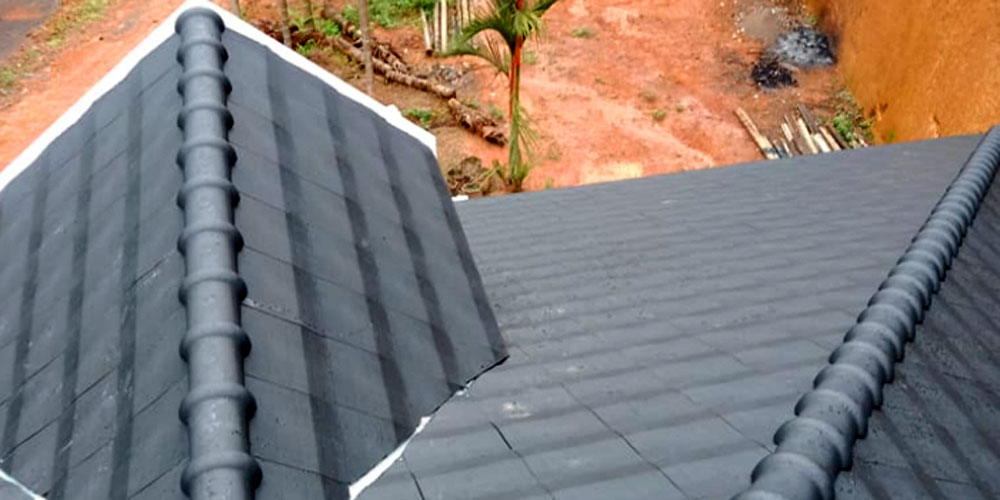
In the quest for sustainable living, eco-friendly building materials have taken center stage. Among these, nano ceramic roof tiles have emerged as a revolutionary choice. These innovative tiles not only elevate the aesthetics of homes and buildings but also offer a host of environmental benefits. Let's dive into the eco-friendly aspects of nano ceramic roof tiles and understand why they are a sustainable option for modern construction.
Energy efficiency
Nano ceramic roof tiles are designed to reflect a significant portion of the sun's heat. Their high reflectivity helps maintain cooler indoor temperatures, reducing the need for air conditioning. This energy-saving feature lowers electricity consumption, cutting down on greenhouse gas emissions and utility bills.
Durability and longevity
One of the key advantages of nano ceramic tiles is their exceptional durability. These tiles are resistant to weathering, UV rays, and other environmental stresses, which means they have a longer lifespan compared to traditional roofing materials. A longer lifespan reduces the need for frequent replacements, minimizing waste and the environmental impact of manufacturing new materials.
Recyclability
Nano ceramic roof tiles are made from materials that can be recycled at the end of their life cycle. Unlike asphalt shingles or other nonrecyclable roofing materials, these tiles can be repurposed, contributing to a circular economy and reducing landfill waste.
Low maintenance requirements
Thanks to their advanced nano-coating technology, these tiles resist dirt, algae, and moss growth which reduces the need for harsh chemical cleaning agents that can harm the environment. Low maintenance requirements also mean less water usage for cleaning, further promoting eco-friendliness.
Environmentally friendly manufacturing
The production of nano ceramic roof tiles often involves eco-conscious methods .Many manufacturers prioritize using non-toxic materials and sustainable practices , such as recycling water in production and minimizing energy consumption .This approach reduces the overall carbon footprint associated with the tiles .
Thermal insulation properties
Beyond reflecting heat, nano ceramic roof tiles also provide excellent thermal insulation. This helps maintain a consistent indoor temperature reducing the reliance on artificial heating and cooling systems. Over time, this translates to a significant reduction in energy use and associated environmental impacts.
Aesthetic versatility
Available in a variety of colors and designs, nano-ceramic roof tiles can mimic natural materials like clay or slate. This versatility reduces the demand for quarrying and extraction of natural resources, which can be detrimental to ecosystems.
Resistance to harsh weather conditions
Nano ceramic tiles are highly resistant to extreme weather conditions, including heavy rainfall, hail, and high winds. This resilience reduces the risk of damage and the need for repairs, further cutting down on resource use and waste generation.
Financial Thoughts
The eco-friendly aspects of nano ceramic roof tiles make them a standout choice for those looking to build or renovate sustainably. Their energy efficiency, durability, and recyclability align with the principles of green building and contribute to a healthier planet. By choosing nano ceramic roof tiles, homeowners and builders can take a significant step toward reducing their environmental footprint while enjoying the benefits of a durable, stylish, and low-maintenance roofing solution.